Why Does the New Rule Hit Flower Shipments Harder Than Extracts?
Short answer: Hemp flower can contain substantial THCA that converts https://en.mercopress.com/2026/10/14/new-us-hemp-rules-take-effect-december-11-shifting-demand-for-south-american-exporters into delta-9 THC when heated, while many extracts are processed to remove or reduce THC. A rule that counts total THC—including THCA—and caps it at 0.4 milligrams per container can therefore put flower shipments at greater risk of exceeding the limit. But extracts are not automatically safe: the product’s full cannabinoid profile, serving size, and package contents matter.
Important date check: December 11 is being cited in some discussions as the deadline for the new US hemp rule. However, the federal statutory change commonly referenced was enacted on November 12, 2025, and its delayed effective date is 365 days later: November 12, 2026. Do not treat December 11 as the federal effective date without confirming that a separate state requirement, agency notice, or contract deadline applies. Shippers should check the current law and destination-state rules before dispatch.
The key change: from delta-9 THC to total THC
For years, many hemp compliance discussions focused on delta-9 THC: the cannabinoid most commonly associated with intoxication. Under the previous federal hemp definition, hemp generally meant cannabis containing no more than 0.3% delta-9 THC on a dry-weight basis. That benchmark shaped how growers, processors, labs, and brands assessed hemp products.
The newer federal change takes a broader approach. It includes THCA—the acidic precursor to delta-9 THC—in the total-THC calculation. That matters because heat can convert THCA into delta-9 THC. In practical terms, a flower sample can test low for delta-9 THC before heating while still having enough THCA to produce much more THC when smoked or vaporized.
One-sentence takeaway: A low delta-9 result alone may no longer tell the whole compliance story; businesses need to understand the product’s total THC and the rules that apply to its container.
The total THC formula
A common calculation used to estimate total THC is:
Total THC = delta-9 THC + (THCA × 0.877)
The 0.877 factor accounts for the molecular-weight change when THCA loses carbon dioxide and becomes delta-9 THC through decarboxylation. This is a useful compliance concept, not a substitute for the applicable legal definition or a laboratory’s reporting method. A lab report may show separate results, use a specified calculation, or report a combined value. Confirm the method and units rather than assuming every certificate uses the same presentation.
Also keep the measurements straight. A percentage on a dry-weight basis is not the same thing as milligrams per package. A product can appear compliant under one calculation and exceed a separate per-container limit under another. The law, test method, product form, and package size all affect the analysis.
Why flower is especially exposed
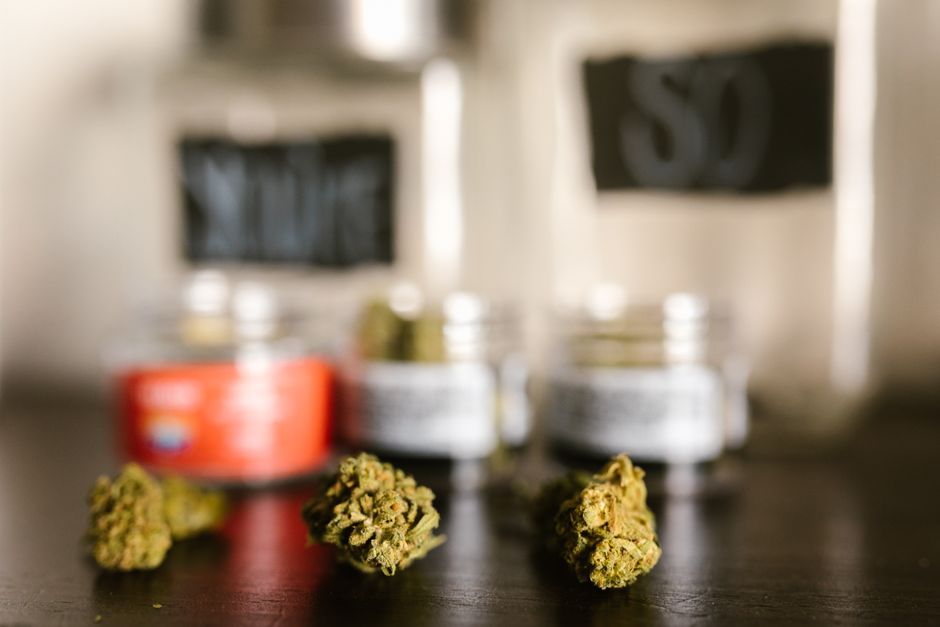
Flower is the part of the hemp plant most likely to make the THCA issue visible. Hemp cultivars grown for cannabinoid-rich flower may contain appreciable THCA, even where delta-9 THC remains below a familiar threshold. If the legal test counts THCA in total THC, that flower can be treated very differently from what a delta-9-only result suggests.
Flower also tends to be sold as a relatively concentrated plant material. Unlike a beverage or a formulated edible, it may not be diluted across a large amount of other ingredients. That makes it harder to keep the total quantity of THC in a retail container below a strict cap. A lot that is acceptable under one product format may not meet the same limit when packed as pre-rolls or loose flower.
And there is a practical shipping issue: flower is difficult to fix after harvest. Its cannabinoid profile is tied to the crop and can vary across plants, fields, harvest dates, and storage conditions. A shipment assembled from multiple lots may therefore need careful segregation and documentation. If one portion tests above the relevant threshold, combining it with compliant material does not automatically resolve the legal or contractual problem.
What the 0.4 mg per-container cap changes
The federal change is widely discussed as imposing a cap of 0.4 milligrams of total THC per container for covered hemp-derived cannabinoid products. This is a very small amount. It is not the same as a 0.4% concentration limit, nor should it be confused with the former 0.3% delta-9 THC benchmark for hemp biomass.
The word container is important. A compliance review needs to establish exactly what counts as a container under the governing rule and how the product is packaged. Do not assume that dividing a product into servings, printing a low amount per serving, or using a larger package changes the legal result. Businesses should obtain advice on the statute and any agency interpretation before relying on a packaging strategy.
Question Why it matters Does the test include THCA? A delta-9-only result may understate the total THC relevant to the new framework. What is the product’s total THC per container? A percentage or per-serving result does not necessarily answer a per-container question. Which lab method and calculation were used? Reports can differ in format, units, and treatment of THCA. Where is the shipment going? State rules, enforcement approaches, and buyer requirements may add restrictions.Why extracts may have more room—but are not exempt
Extracts can be less exposed when processing has removed or reduced THC. Some manufacturers use refinement steps to produce ingredients with low levels of delta-9 THC and THCA, then formulate those ingredients into finished products. In that case, a carefully designed extract product may be easier to keep below a total-THC-per-container cap than high-THCA flower.
But “extracts THC removed” is not a compliance guarantee. The phrase describes a processing goal, not proof of what is in a finished product. Residual THC or THCA may remain, and the concentration can vary by input material, process, equipment, and production lot. A finished product can also contain cannabinoids introduced through other ingredients or manufacturing steps. Testing the raw extract alone does not establish the total THC in every final retail container.
That distinction matters for brands such as Joy Organics and for any company making claims about a particular product. A responsible compliance review should connect the lot-level lab data for ingredients to the finished-product formulation and package size. Brand reputation, an ingredient supplier’s certificate, or a “THC removed” description cannot replace current testing of the product being shipped.

Flower shipments face a particular paperwork burden
For flower, the risk is not limited to a number on a test report. Shipments can be delayed or rejected when the paperwork does not clearly connect the tested sample to the actual lot and package. Buyers, carriers, regulators, and customs or border authorities may ask different questions, and a certificate that answers one question may not answer another.
Before shipping, businesses should make sure records address:
- Lot identity: The lab sample, certificate, invoice, and shipment should identify the same production lot.
- THCA and delta-9: The report should show the relevant individual analytes and, where applicable, the total THC calculation.
- Units and basis: Confirm whether results are percentages, milligrams per gram, milligrams per serving, or milligrams per container.
- Package configuration: Document the quantity and number of retail containers, not just the bulk weight.
- Destination rules: Check federal requirements alongside the laws and buyer specifications in the destination state.
- Chain of custody: Keep sampling, testing, production, and shipping records together so the results can be tied to the goods.
Third-party lab testing is an essential tool, but it only helps if the sample is representative and the report is current, complete, and linked to the lot. Batch lab results posted online can make verification easier for buyers and consumers. They should not, however, be treated as proof that every shipment or every package is compliant unless the posted result can be matched to that specific product and batch.
The roles of USDA and industry groups
The USDA (US Department of Agriculture) oversees important parts of domestic hemp production, including the federal hemp production framework and state or tribal production plans. That role should not be mistaken for a blanket approval of every finished consumer product made from hemp. Product rules can involve other federal agencies, state authorities, and the laws of the destination market.
The US Hemp Roundtable and other industry organizations can help businesses follow legislative developments and communicate compliance concerns. Their guidance may be useful, but it does not replace the statutory text, agency rules, legal advice, or written requirements from a buyer or regulator. When a deadline is being circulated, verify its source: it may refer to a law’s effective date, a state transition period, a customer’s purchasing cutoff, or a carrier’s internal policy.
A practical compliance checklist before the deadline
- Verify the date. Confirm whether December 11 applies to your shipment or whether the relevant federal effective date is November 12, 2026. Check for separate state or contractual deadlines.
- Recalculate the product. Review the total THC formula using both delta-9 and THCA, while following the required test method and legal units.
- Calculate at the container level. Convert results into the units required by the rule and assess the finished package—not just the bulk ingredient or a single serving.
- Test the finished product. Use third-party lab testing on representative batches, with clear lot identification and a report that includes the relevant cannabinoid results.
- Review flower separately. Do not assume that a low delta-9 result means low total THC. High flower THCA content is a direct risk under a rule that counts THCA.
- Validate extracts. If processing is intended to remove THC, confirm the outcome in the finished formulation. “Extracts THC removed” is a claim to substantiate, not a shortcut around testing.
- Keep records accessible. Maintain certificates, formulation records, package specifications, and shipping documents. Posting batch lab results online can support transparency, but retain the underlying records as well.
- Get destination-specific advice. Confirm federal, state, and buyer requirements before dispatch, especially for interstate or export shipments.
Bottom line
The rule hits flower shipments harder because flower commonly carries more THCA, and the new approach counts THCA alongside delta-9 THC. That combination can make a flower lot appear compliant under an older delta-9-only screen yet exceed a total-THC threshold—particularly when the limit is expressed as only 0.4 milligrams per container.
Some extracts may be easier to formulate below the cap after THC has been reduced, but no product form is automatically compliant. The deciding evidence is a reliable, lot-linked analysis of the finished product, interpreted using the correct total THC formula, container definition, and destination rules. Before relying on a December 11 date, verify whether it is actually the deadline that governs your shipment.